How Much Does It Cost to Tint Car Windows?
Tinting a car’s windows costs $150 to $800 total, depending on film type and vehicle size. Dyed film runs $150-$250, carbon film $250-$400, and ceramic film $400-$800 for a standard sedan. SUVs and trucks add $50-$150 for the extra glass. Just the front two windows typically costs $80-$250.
Quick-Answer Price Table
| Film Type | Sedan (full vehicle) | SUV / Truck (full vehicle) | Typical Lifespan |
|---|---|---|---|
| Dyed | $150 – $250 | $200 – $350 | 1 – 5 years |
| Carbon | $250 – $400 | $300 – $500 | 5 – 10 years |
| Ceramic | $400 – $600 (up to $800 for premium series) | $500 – $800+ | 10 – 20 years / lifetime |
Those ranges cover materials and labor from a licensed shop. Mobile installers and small independent shops tend to land on the low end; dealership service departments and shops running name-brand film (3M, Llumar, Ceramic Pro) usually land on the high end. Film type drives most of the price swing — roughly 60-70% of what you pay comes down to dyed vs. carbon vs. ceramic, not the shop’s zip code.
Cost Breakdown by Film Type
Dyed film is the entry-level option. A layer of dye sits between adhesive and a protective topcoat, giving you a flat, dark look for the least money. It blocks glare and some UV, but it does a mediocre job rejecting heat, and the dye itself fades and can turn purple or brownish within a few years of sun exposure. Expect $150-$250 on a sedan. If you’re leasing a car for two years or flipping vehicles often, dyed film is a reasonable budget call — just don’t expect it to look good five years out.
Carbon film sits in the middle. Instead of dye, it uses carbon particles that don’t fade the way dye does, and it blocks meaningfully more infrared heat — carbon film typically knocks down 40-60% of infrared radiation compared to dyed film’s much lower rejection rate. It also doesn’t have the metallic layer that older “metal” films used, so it won’t interfere with your phone signal, GPS, or toll transponder. Expect $250-$400 on a sedan.
Ceramic film is the premium tier, and it’s genuinely a different product, not just a marketing label. Ceramic particles reject heat far more effectively than carbon or dye — installers commonly cite ceramic films blocking up to 99% of UV rays and rejecting a much higher share of infrared heat than carbon, which is why your dashboard and seats stay noticeably cooler in direct sun. Ceramic also holds its clarity and color for the life of the film in most cases, backed by lifetime warranties from manufacturers like 3M and Llumar. Expect $400-$600 on a sedan, up to $800 for premium multi-layer ceramic series on larger vehicles.
Cost by Vehicle Size
Price scales with glass area and window count, not just vehicle length. A two-door coupe with four windows costs less to tint than a four-door sedan with six, and a three-row SUV with a large rear hatch and quarter windows costs more than either.
- Coupe / 2-door: Often 10-20% cheaper than a comparable sedan quote — fewer panes of glass.
- Sedan: The baseline pricing in the table above — five or six windows plus the back glass.
- SUV / crossover: Add $50-$150 over sedan pricing for extra side windows, a larger rear hatch, and sometimes a rear quarter window.
- Pickup truck: Two-door/regular cab trucks can be cheaper than a sedan (fewer windows). Crew cabs with four doors price closer to an SUV.
- Minivan: Usually the most expensive vehicle type to tint because of the sheer number of windows, including third-row and sliding-door glass.
Full Vehicle vs. Just the Front Windows
Not everyone needs the whole car done. If your rear windows already came with factory-tinted glass (common on SUVs and trucks) or you just want to cut glare and UV on the driver and passenger side, tinting only the front two windows runs roughly $80-$250 depending on film type.
Here’s the catch: most shops have a minimum service charge, so tinting two windows isn’t always proportionally cheaper than doing the whole car. If a full ceramic job is $500 and the shop’s minimum ticket is $300, doing just the front two windows might only save you $150-$200, not the 60-70% you’d expect from the window count alone. Ask for the per-window price before you decide to go partial.
Legal Tint Limits by State
This is the part people skip and regret. Every state sets its own minimum Visible Light Transmission (VLT) — the percentage of light allowed through the glass-plus-film combination — and the limits are not close to uniform. A tint job that’s perfectly legal in one state can get you a fix-it ticket or an inspection failure in another, especially on front side windows, which are regulated far more strictly than rear glass almost everywhere.
| State | Front Side Windows | Rear Side Windows | Windshield |
|---|---|---|---|
| California | 70% VLT minimum | Any darkness (dual side mirrors required) | Non-reflective strip, top 4 inches only |
| Texas | Must allow more than 25% VLT | Any darkness (dual side mirrors required) | Above the AS-1 line, 25%+ combined VLT, no red/blue/amber film |
| Florida | 28% VLT minimum | 15% VLT minimum | Non-reflective tint above the AS-1 line |
California is one of the strictest states in the country on front glass — 70% VLT is barely a tint at all, and only clear or nearly clear film is legal on the front side windows under California Vehicle Code § 26708. Texas allows noticeably darker front glass, and the exact inspection standard is published directly by the Texas Department of Public Safety. If you’re not sure what’s legal where you live, check your state DMV or DOT’s tint page before you book — not a tint shop’s blog post, which may be written for a state you don’t live in.
A few other things that hold true almost everywhere: rear windows can generally be darker than front windows as long as you have dual outside mirrors, full-windshield tint is effectively illegal for daily driving in every state (only a top strip down to the AS-1 line is allowed), and red, blue, and amber film colors are banned outright in most states regardless of darkness.
DIY vs. Professional Installation
DIY tint kits run $20-$100 for enough film to cover a whole car — a fraction of professional pricing. The problem isn’t the film, it’s the install. Tint has to be cut to the exact curve of each window, applied without trapping dust or air, and heat-shrunk around curved glass with a heat gun to lay flat. That’s a skill that takes real practice, and a first attempt usually shows it: bubbles, peeling edges, and trapped dust specks that never go away.
A botched DIY job often costs more in the end, because stripping failed film off before a shop can redo it right adds labor the shop has to charge for. Unless you’ve tinted windows before or you’re doing it on a car you don’t care much about, paying a professional the first time is usually the cheaper path over the life of the tint.
How to Save Money on Window Tint
- Bundle windows. A full-vehicle job is cheaper per window than doing a few now and the rest later — most shops charge a return trip fee.
- Ask about off-season pricing. Tint shops are slammer in spring and early summer; booking in fall or winter sometimes gets you a lower quote.
- Compare carbon film before jumping to ceramic. If heat rejection matters more to you than UV/color-stability longevity, carbon gets you most of the benefit for less money.
- Get multiple quotes. Pricing for the same film and vehicle can vary $100+ between shops in the same metro area for identical work.
- Skip the aftermarket “lifetime” no-name film. Cheap unbranded film often needs replacing within a few years, so you pay twice.
Choosing an Installer
Ask three questions before you book: What brand of film do they install (3M, Llumar, and Ceramic Pro all publish product specs you can verify)? What’s the warranty, and is it backed by the manufacturer or just the shop? And can they show you a recent job on a similar vehicle? A shop that’s vague on any of those three is worth skipping, even if the quote is the cheapest one you got.
The International Window Film Association maintains educational resources on film types and installation standards and is a useful neutral reference if a shop’s claims sound too good to check.
Red Flags: Signs of a Scam Tint Installer
- No fixed address or shopfront. Mobile-only “installers” with no reviews and a cash-only policy are the highest-risk booking.
- Quotes way under the local range. If everyone else is quoting $300-$500 for ceramic and one shop says $150, they’re either using unbranded film or cutting corners on labor.
- No mention of your state’s legal VLT. A legitimate shop asks what state you’re registered in and tells you the legal limit — they don’t just tint as dark as you ask for.
- Vague or verbal-only warranty. If it’s not written down with the film manufacturer’s name on it, it’s not a real warranty.
- Pressure to pay in full, upfront, in cash. Reputable shops take a deposit or payment on completion, not full cash payment before they’ve touched your car.
Tint Warranty Considerations
Warranty length tracks film quality almost exactly. Cheap dyed film often carries only a 1-5 year warranty, if any. Mid-tier carbon film commonly comes with a 5-10 year warranty. Premium ceramic film from major manufacturers is frequently sold with a lifetime warranty covering bubbling, peeling, cracking, and discoloration for as long as you own the vehicle.
Two things matter more than the years printed on the paperwork: whether the warranty is backed by the film manufacturer (transferable, honored anywhere that installs that brand) or just the local shop (worthless if that shop closes), and whether it covers workmanship — a bad install — separately from film defects. Get the warranty terms in writing before you pay, not after.
Get Matched With Local Window Tint Shops
Tell us your vehicle and zip code, and we’ll match you with 2-3 local tint shops for free, no-obligation quotes. Comparing real local pricing is the fastest way to know if a quote is fair.
By submitting this form, you agree that kennewhouse.com/ may share your information with up to three local window tint shops so they can contact you by phone, text, or email about your quote request. Message/data rates may apply. This isn't a purchase requirement, and you can request removal at any time.
People Also Ask
Is ceramic tint worth it?
Yes, if you’re keeping the vehicle more than three or four years. Ceramic film blocks up to 99% of UV rays and rejects significantly more infrared heat than dyed or carbon film, without the signal interference some older metallic films caused. It typically costs $150-$300 more than carbon per vehicle, but it holds its color and heat-rejection performance far longer, so the cost per year of ownership is often lower than cheaper film.
How long does window tint last?
Quality tint lasts 5 to 10 years on average, and premium ceramic films can last 15-20 years or the life of the vehicle under a lifetime warranty. Dyed film is the exception — it typically fades, purples, or bubbles within 1-5 years because the dye breaks down under UV exposure. Climate, sun exposure, and installation quality all affect how long any given film actually holds up.
What tint percentage is legal in my state?
It depends entirely on your state — there’s no single national number. Front side windows range from a strict 70% VLT minimum in California to as low as 25% in Texas. Rear windows are usually allowed much darker, and some states permit any darkness back there with dual mirrors. Always check your state DMV or DOT’s official tint chart before booking, since even a move across state lines can make existing tint illegal.
Can you tint your windshield?
Only partially, in nearly every state. Most states allow a non-reflective strip on the top 4-6 inches of the windshield, down to the AS-1 line manufacturers mark on the glass. Full-windshield tint is effectively illegal everywhere for daily driving, though some states allow clear, near-100% VLT ceramic film across the whole windshield for heat rejection since it doesn’t visibly darken the glass. Check your state law before adding any windshield film.
Is DIY window tint cheaper than professional installation?
The film itself is cheaper — DIY kits run $20-$100 for an entire vehicle versus $150-$800 professionally installed. But DIY tint is far more likely to bubble, peel, or trap dust within months, and a botched job often costs more to strip and redo than paying a pro from the start. Most people who try DIY tint once don’t try it a second time.
How much does it cost to tint just the front two windows?
Expect $80 to $250, depending on film type, since shops typically charge per window or offer a discounted package for fewer panes than a full vehicle. Ceramic film on just the front two windows can still cost more than dyed film on the whole car. Most shops also have a minimum service charge, so tinting only two windows isn’t always proportionally cheaper than doing all of them.
Does window tint affect insurance or void my factory warranty?
Legally installed tint doesn’t void your factory warranty or your auto insurance in most cases, since it’s considered a common aftermarket modification. Illegally dark tint, however, can trigger a citation, and in rare cases an insurer could dispute part of a claim if illegal modifications contributed to an accident. Keep your installer’s receipt and any compliance documentation in the glove box as proof it meets your state’s legal limit.
Can I get a ticket for illegal window tint?
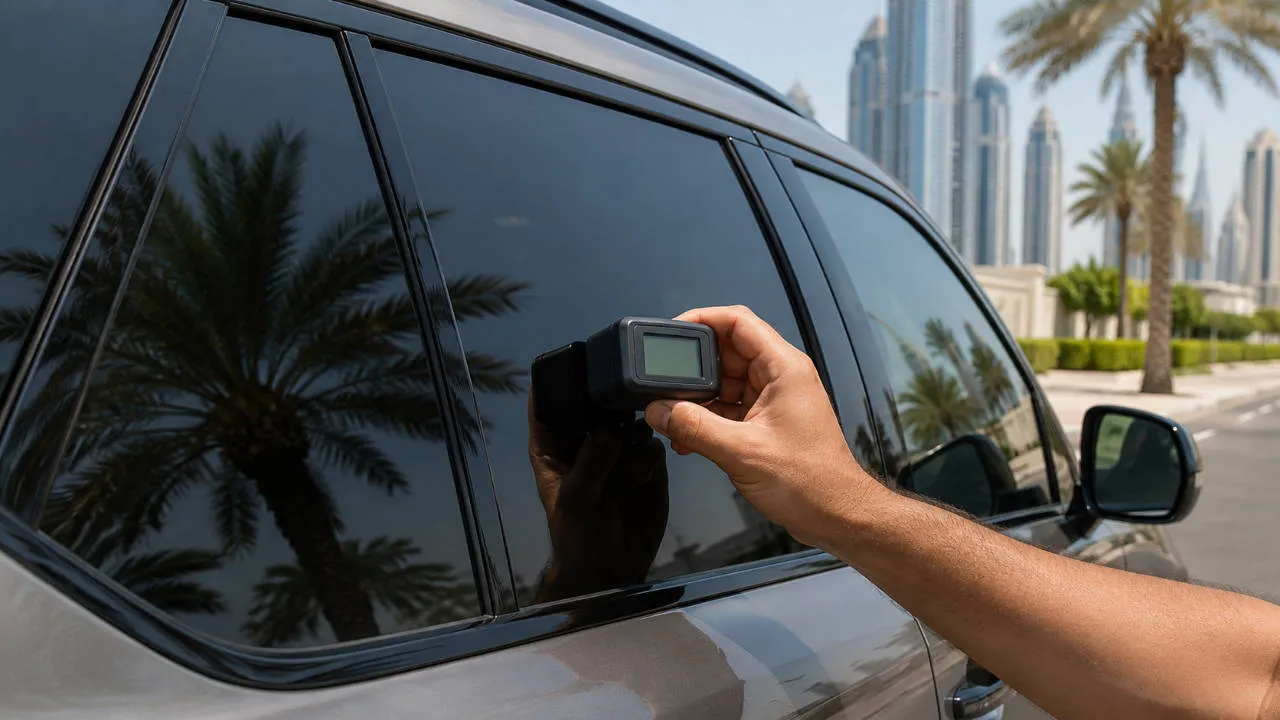
Yes. Nearly every state treats tint darker than the legal VLT minimum as a fix-it ticket or moving violation, with fines commonly running $25-$200 for a first offense and more for repeat stops. Some states will fail your vehicle at inspection until the tint is removed or replaced with compliant film. If you’re unsure your existing tint is legal, most shops will test it with a VLT meter for free.
Ready to Get Your Windows Tinted?
Skip the guesswork. Get matched with local window tint shops in your area and compare real quotes before you book.
By submitting this form, you agree that kennewhouse.com/ may share your information with up to three local window tint shops so they can contact you by phone, text, or email about your quote request. Message/data rates may apply. This isn't a purchase requirement, and you can request removal at any time.
Window tint is one of the more affordable ways to change how a car looks and feels to drive, and it pairs well with other appearance work — if you’re also considering a coating for the paint, see our ceramic coating cost guide for pricing on that separately. For a full look at who writes and fact-checks KennewHouse’s cost guides, visit our team of writers page. And if you’re budgeting for more than one exterior project this season — say, tint plus a driveway repaving — it’s worth quoting both at once so you can sequence the spend.